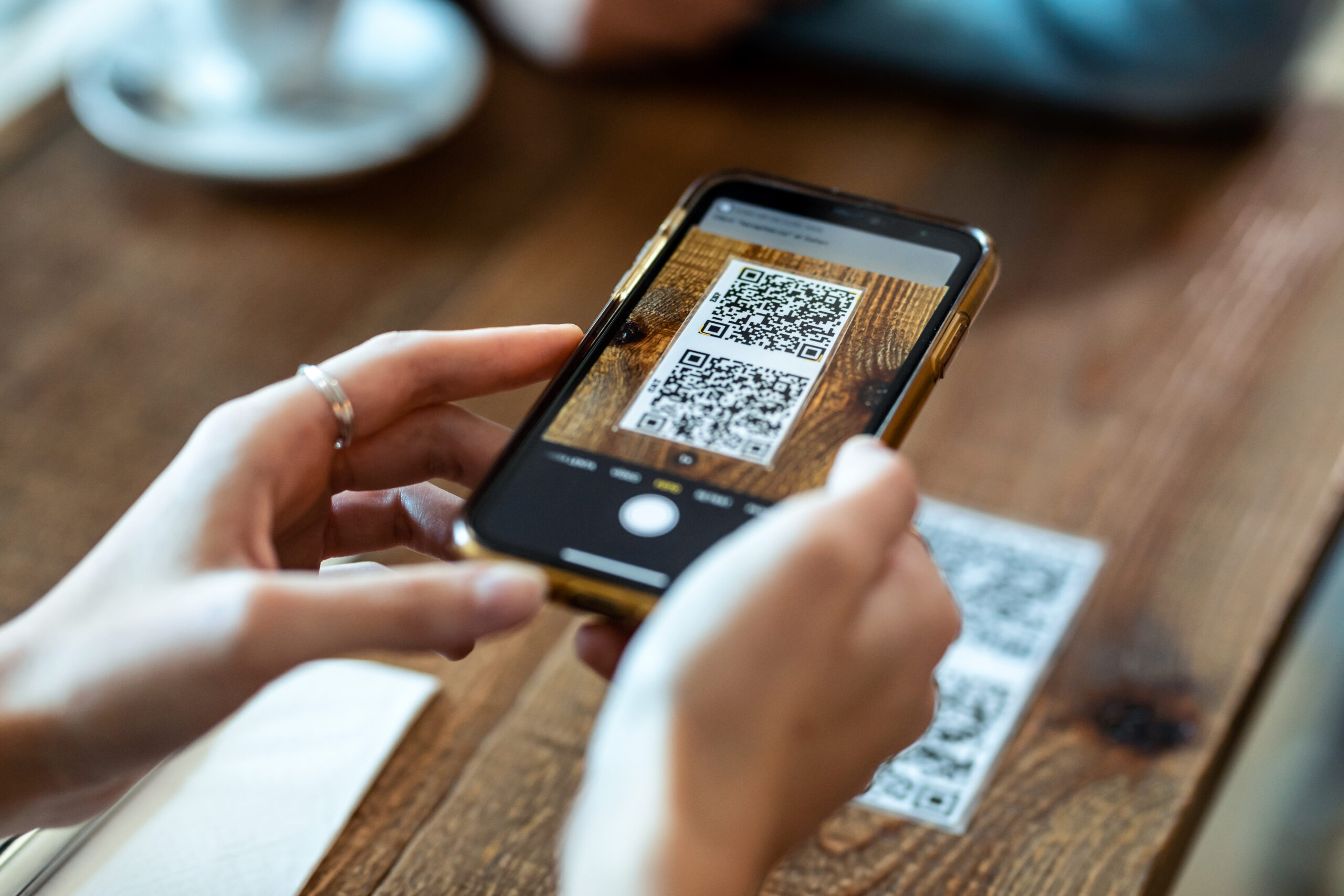
 Many of our new clients with specific stock requirements have this expectation that having a barcode system will solve all of their logistical ills. That, somehow having a sticker on a box will update stock, solve the accounting issues and trigger particular workflow processes. What people don’t realise is that most barcodes are no more complicated than what you experience at your local supermarket. You line up at the checkout, the attendant zaps it and the item comes up at the register.
What does a barcode do?
The barcode itself does not hold information about the price, discounts, weight etc. It can’t even recognise that you have bought 2 cucumbers instead of one. The attendant has to type over the quantities or “beeps” it in twice. So what’s the benefit?
A barcode allows for quick and accurate retrieval of information that is held on a central database. As long as the barcode is physically applied to the correct item then this saves time serving at the till. If you have ever tried to purchase an item without a barcode you will notice the panic as the attendant tries to “search” for the item concerned, even checking with a supervisor to confirm the price. In this case the purpose is to complete the sale effectively with minimal disruption making it a less painful experience for the customer and speed up the process of getting on with the next sale. This maintains customer loyalty, but in turn updates the till which affects the companies accounting records and depletes the stock informing the offsite warehouse when to restock the item and by what quantity.
What is a barcode?
A barcode is simply a series of lines printed on a products packing or imbedded onto the product itself. The thickness of each line will determine a character. A scanner then reads the reflection off the printed surface and interprets that into a binary code. This code then triggers a computer script to do something. In the previous example it finds a “product code” on the system and displays all the fields relevant to that item on a screen. The actual sale would have to be confirmed by the till operator before updating the system. The fact that the barcode can trigger a script means that even though the barcode doesn’t do anything special, it can tell the computer system and the script can then perform more operations. This is particularly true with regard to traceability.