Another variable is stocktake inventory.
In the last article in the series we looked at different types of journals to cope with inventory values. The other variable is stocktaking which should be simple but has its

own nuances. A stocktake is done at regular intervals to correct anomalies in the inventory system. These variations can come from damaged stock, data entry errors, (receiving the wrong number of units) over supply upon delivery, returns from customers, etc. an endless array of events that can occur to throw out your inventory levels and values.
At regular intervals you should conduct an annual stocktake to correct these errors. Normally this is done prior to your end of financial year to get an accurate figure for the accountant for producing the annual accounts. Larger organisations, such as Amazon, do rolling stock checks so they know how many items they posses on a continual basis. Now let’s look at the accounting implications of all this.
What are the accounting journals for changes in stocktake?
Say your warehouse guy checking the stock found 100 items stuck in the back of a cupboard that had never been put on the system. The item is given a unit value of say

£1 so your stock asset account increases by £100. that’s fine for the debit side but where does your credit go? It can’t go to accrual for a supplier invoice that would never arrive and therefore not to creditor control. As these items where “discovered” then another “dumping ground” would be required. In this example 1 of the exercise, “change of stock” is applied under cost of sales.
This dumping ground would also deal with missing stock as it would credit the asset value account and debit “change of stock”. The remaining amount left in that nominal code would then be understood and maybe written off later.
A good inventory system requires good management.
Almost all of organisations I have been involved with have issue with their inventory. On most occasions it’s in a complete mess. This is not just a matter of the system deployed, but also the management practices in place. Staff need operate under “military discipline” to know how to handle orders and place stock in specific locations for ease of access. Staff should be monitored and reviewed to make sure standards are maintained, not just left to their own devices. One client I worked with wanted the purchase ordering system but didn’t want to employ anyone to manage it, therefore the guys in the factory just raided each palette is it came in. The consequences of this are that he never knew what had been received or what items where available at any one time. There was no check to see what goods where delivered to approve supplier invoices to pay. They would overspend on materials and always ran out of vital components. The technology, system and the people all have to be aligned in order to maintain an efficient workflow. If these are issues that you are concerned with, please contact us or check our services page.
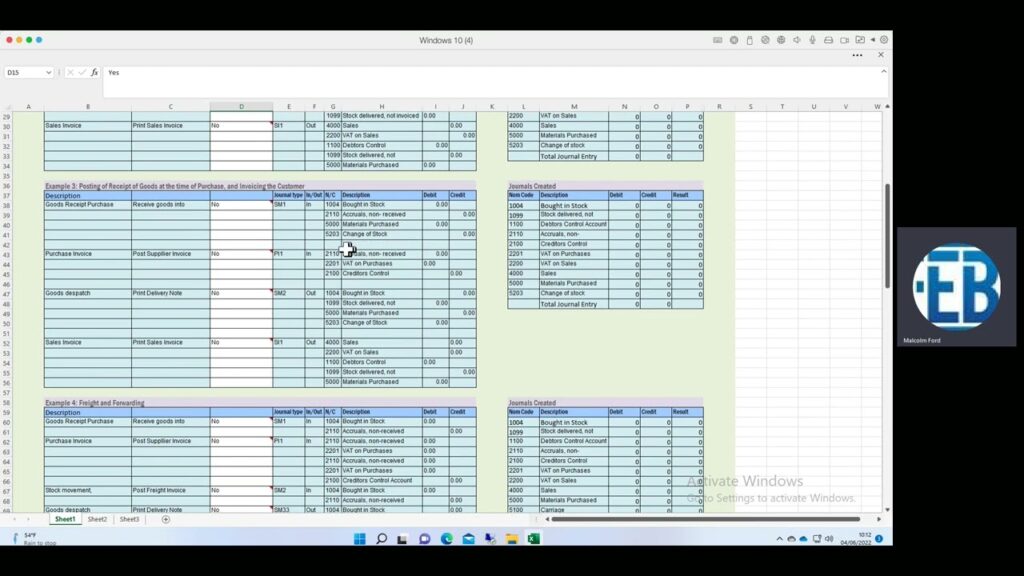

This video will explain the Stock movement Journals.
About the Author:
Malcolm Ford has worked for over 8 years in the ERP space providing advice on logistics and warehouse issues to businesses across the UK. Having an accounting background allows for an appreciation of the financial implications involved with stock control.

Upgrade for Mamut package