how has the vat return changed after Brexit ?
After Brexit, the VAT return in the UK has changed to accommodate new requirements related to Brexit, such as postponed VAT accounting and the Northern Ireland Protocol. The changes took effect from 8 April 2021. The wording on the VAT return has been adjusted to reflect post-Brexit changes, but it is stated that these changes probably won’t affect how the VAT return is used or the financial details reported. The changes aim to ensure consistency and assist end-users by using plain language and clarifying the Northern Ireland Protocol.
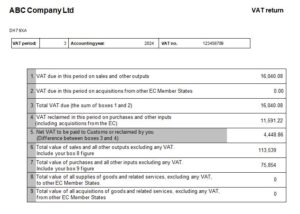
An example of box one.
The VAT return still retains its nine boxes, but the transactions included within these boxes for supplies taking place after 31 December 2020 have changed. For example, Box 1 now includes the VAT due on imports accounted for through postponed VAT accounting. If you are a voluntary VAT payer, there are other changes that you should be aware of. The changes also impact the VAT codes used in accounting platforms such as QuickBooks, Xero, or Sage.
Trading with the EU
Businesses trading between Great Britain and the EU, as well as those involving Northern Ireland, need to be aware of the specific changes related to the movement of goods and the treatment of Northern Ireland as a territory within both the UK and the EU. Additionally, the UK’s departure from the EU has significantly impacted the trading processes between these regions, leading to new customs declarations, delayed customs clearance, changes in logistics and transportation of goods, and a shift in import VAT obligations. Therefore, businesses need to be aware of these changes and ensure compliance with the new requirements.
What is vat accounting !
The process of reporting the amount of VAT, a form of consumption tax, a business has collected on behalf of the UK governemnt. Other countries have different forms of this such as the US has different sales tax rates per state and in Australia they have GST (Goods and Services Tax). This is calculated by adding a percentage upon most products and services that everyone uses so it spreads the tax burden across the entire population where other forms of tax, such as PAYE are determined by what you earn. It also assists business, particularly start up as they can reclaim their costs and then pay more as they get sales in and become profitable.
see below an example of VAT return.